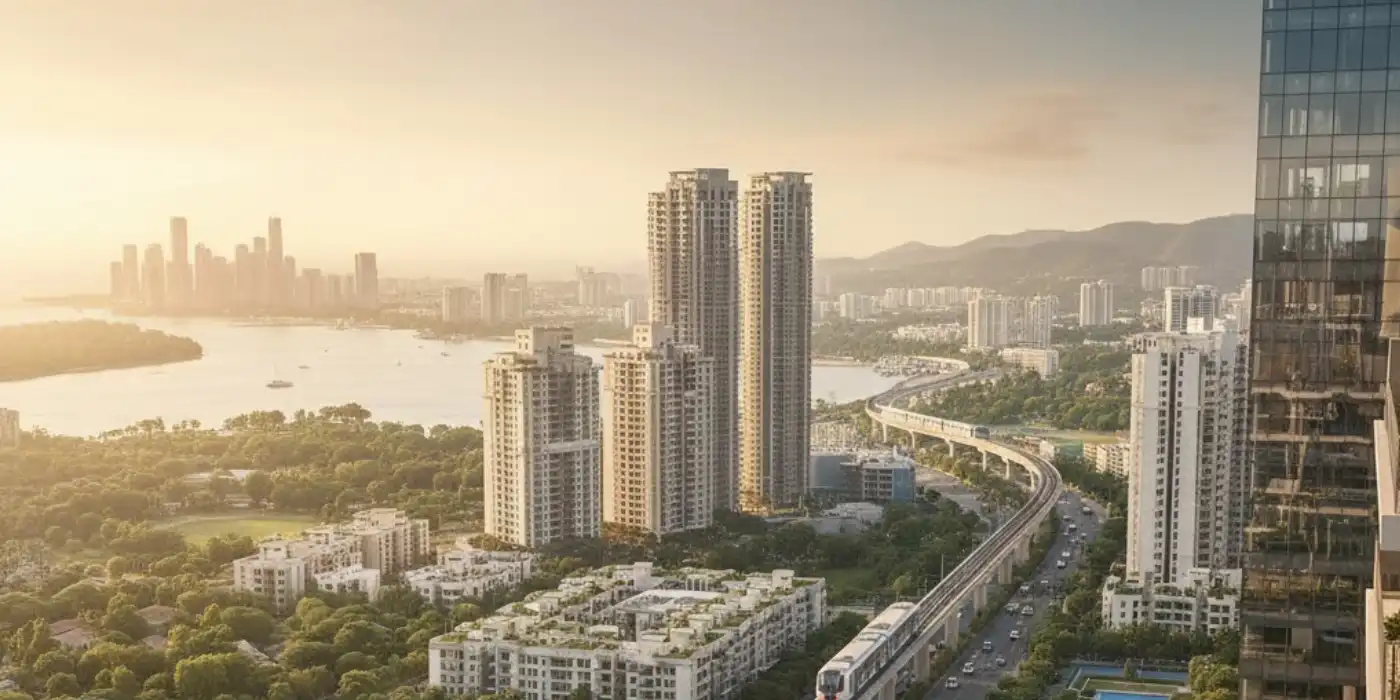

Under Construction Property
CategoriesReal estate

Why Buying an Under-Construction Property Can Be a Smart Decision

Look, I get it. Buying a home is probably the biggest check you will ever write. It is nerve-wracking. When you walk onto a site and see nothing but scaffolding and piles of sand, it takes a lot of imagination to see a finished living room. Most people naturally gravitate toward “Ready to Move” homes because they can touch the walls and see the view right now. But if you talk to seasoned investors or people who have built real wealth through real estate, they will tell you a different story.

There is a specific kind of magic in buying something that is still being built. It is not just about getting a shiny new building; it is about the math and the timing. Buying early is like getting a front-row seat at a concert for half the price, just because you showed up while the stage was still being set up. It requires a bit of patience, but the payoff can be life-changing. In this guide, we are going to break down exactly why an under-construction property benefits your bank account and your lifestyle in the long run.

The Financial Edge of Early Entry
The most obvious reason people jump on these deals is the price tag. It is no secret that developers need to kickstart their projects, and they offer massive incentives to the early birds. When a building is just a blueprint, the risk feels higher to the average person, so the developer compensates by lowering the entry barrier. You are essentially paying for the future value of the land at today’s prices.

  • Lower Entry Point: You can often snag a premium apartment for a fraction of what it will cost in two years. This “gap” between the booking price and the market price upon completion is where your initial profit lives.
  • Flexible Payment Plans: Unlike ready homes, where you have to cough up the full amount or start heavy EMIs immediately, these projects usually come with construction-linked plans. You pay as the building rises, which keeps your monthly stress levels much lower.
  • Better Appreciation Potential: As the amenities get built and the neighborhood develops around the site, the value of your specific unit climbs steadily. By the time you get the keys, you are already sitting on a property that is worth significantly more than what you signed for.

This leads us to the benefits of under-construction property prices that many people overlook. It is not just about the base price. It is about you getting a brand-new asset with the latest construction technology. You won’t have to worry about leaky pipes or old wiring for decades. It is a clean slate, and in the world of real estate, “new” always carries a premium when you eventually decide to sell or rent it out.

Customization and choosing the best view
When you buy a home that is already finished, you are stuck with what is left. Maybe the only available unit is on the first floor, facing a noisy street, or perhaps the kitchen layout feels a bit cramped. When you step in early, you are the one in the driver’s seat. You get to pick the floor, the direction of the faces toward the sun, and often the specific internal configuration of your rooms.

  • Prime Selection: You get first dibs on the “Vastu” compliant units or the ones with the best balcony views. These are the units that always appreciate the fastest and are the easiest to rent out later.
  • Input on Finishes: Many developers allow early buyers to choose their tiling, paint schemes, or kitchen finishes. It saves you the headache of breaking down walls and remodeling a “ready” home just because you didn’t like the previous owner’s taste.
  • Modern Amenities: New projects are being designed for the post-pandemic world. We are talking about dedicated co-working spaces, better ventilation, and smart home integration that older, ready buildings simply do not have.

Beyond the aesthetics, there are significant property tax benefits for under-construction properties that can save you a fortune. Under certain tax laws, you can claim deductions on the interest paid during the “pre-construction” period once the house is finished. 

Why the Neighborhood Growth Matters
Real estate is never just about the four walls; it is about the zip code. Usually, developers pick “up and coming” areas for their massive under-construction projects. They know where the next highway is going or where the new metro station is planned long before the general public does. By buying into an under-construction project, you are essentially “betting” on the growth of that entire locality.

  • Infrastructure Boom: By the time the building is ready for possession, the roads are usually paved, shops have opened up, and schools are operational. You get to enjoy a fully developed ecosystem that you bought into when it was just an idea.
  • The “Newness” Factor: A cluster of new projects attracts a better crowd and higher-quality commercial establishments. This creates a ripple effect that pushes property taxes and rental yields higher every single year.
  • Modern Safety Standards: Newer buildings follow the latest fire safety and earthquake-resistance codes. You aren’t just buying a home; you are buying peace of mind for your family’s future.

When you look at the big picture, an under-construction property benefits you by providing a forced savings plan.

Making the Final Move
At the end of the day, real estate is about timing. If you wait for the “perfect” time when everything is finished and the garden is blooming, you have already missed the window for the best profit margins.

If you are looking for that perfect balance of luxury and smart investing, the best time to secure your future was yesterday; the second-best time is right now, while the foundations are being poured.

Explore the best under-construction project by Anant Realty and see how we are redefining modern living. Whether you are looking for a sanctuary for your family or a high-growth asset for your portfolio, we have something that fits your vision perfectly. Let us help you turn that blueprint into your dream home.


CategoriesReal estate

Upcoming infrastructure projects in Navi Mumbai that will boost property prices

Many homebuyers are struggling to determine which areas in Navi Mumbai will actually increase in value. With the number of projects being announced, it’s easy to get caught up in promises and fancy plans. However, the good news is that Navi Mumbai infrastructure projects aren’t just a piece of paper. They are changing the city through functioning roads and rail lines that are growing and improving transport connectivity. By identifying what projects are having an impact, consumers can make better choices.

This blog can aid you in identifying the areas with the potential for long-term growth and ensure that your investment will pay off over time.

Why does infrastructure play a direct role in property prices?

Prices for property rise when life gets easier. Better transportation, faster access to work and reliable public transportation directly impact where people choose to reside. This is evident throughout the infrastructure development in Navi Mumbai in Mumbai, where growth plans have created an environment that is balanced, not overcrowded.

In contrast to older cities where improvements are not as frequent, Navi Mumbai still has the potential to expand. This allows for infrastructure improvements without affecting daily life, which keeps buyers’ confidence high.

How the Navi Mumbai International Airport is changing demand patterns

The Navi Mumbai International Airport is among the most important upcoming infrastructure projects in Navi Mumbai. Even before it is fully operational, the area surrounding the airport has experienced an increase in buyer interest.

Factual significance of the key factual aspects

  • Phase-wise operations have started with capacity plans to increase gradually
  • The time it takes to travel to business hubs is decreasing.
  • Commercial activity is increasing around airport zones

Why airport-led growth is important for Navi Mumbai

Historically, cities that have operational airports have seen steady growth rather than sudden increases. In Navi Mumbai, this airport-driven infrastructure development in Navi Mumbai is generating long-term demand for housing, especially in Panvel, Ulwe and the areas around.

How expressways in Navi Mumbai are improving everyday connectivity

Road connectivity remains one of the strongest drivers of real estate demand. New and upgraded expressways in Navi Mumbai are changing how residents move within the city and towards Mumbai.

Key factual impact

  • Mumbai Trans Harbour Link has reduced South
  • Mumbai travel time to under 30 minutes
  • Highway upgrades improve access to industrial and port areas
  • Internal road widening reduces congestion

How MTHL influences property value

Homes near major expressways in Navi Mumbai often see higher resale demand because connectivity stays useful regardless of work location or lifestyle changes.

Metro rail projects and their impact on residential demand

Commuting in Navi Mumbai can still be a challenge in many growing areas. To address this, several Navi Mumbai infrastructure projects are expanding metro connectivity, making daily travel faster and more predictable.

Key factual impact

  • Metro Line 1 is operational between Belapur and Pendhar, connecting key residential and commercial hubs
  • Extensions are planned toward Khandeshwar and Taloja MIDC, improving access to employment zones
  • Future lines will link the Navi Mumbai International Airport, reducing travel time significantly

Why metro access creates price stability

Properties close to metro stations usually attract working professionals. This improves occupancy and strengthens the infrastructure development in Navi Mumbai by supporting end-user demand rather than speculation.

Rail network upgrades supporting long-term growth

While new projects attract attention, existing rail lines continue to anchor Navi Mumbai’s growth. Harbour and Trans-Harbour lines remain crucial for daily commuting.

Key factual impact

  • Station upgrades improve passenger flow
  • Better frequency reduces travel stress
  • Rail connectivity supports mid-income housing demand

Why rail still matters

Rail access keeps housing affordable while ensuring steady demand. This balance strengthens areas linked to upcoming infrastructure projects in Navi Mumbai without sharp price jumps.

Infrastructure-led price differentiation across micro-markets

Not every area grows at the same pace. Locations where multiple infrastructure projects intersect tend to perform better.

Observed trends

  • Panvel benefits from rail, road, and airport connectivity
  • Ulwe gains from airport access and metro plans
  • Kharghar sees value from metro lines and social infrastructure

This overlap explains why buyers searching for flats for sale in panvel often notice stronger price movement compared to less connected pockets.

Property price movement near infrastructure

Based on recent market observations, infrastructure-linked locations show steady appreciation:

Location

Avg Price (2019)

Avg Price (2024)

Growth Trend

Panvel

₹5,800/sq ft

₹9,500/sq ft

Strong

Ulwe

₹6,200/sq ft

₹10,800/sq ft

High

Kharghar

₹8,000/sq ft

₹13,500/sq ft

Stable

Taloja

₹4,800/sq ft

₹7,500/sq ft

Moderate

Buyers exploring flats for sale in Panvel are often drawn by this balance of affordability and infrastructure-led growth.

What buyers should check before investing near infrastructure

Infrastructure adds value only when it is usable. Buyers should focus on current benefits, not future promises.

Important checks include:

  • Operational transport links
  • Civic development around the project
  • Past price movement of the area

This approach helps avoid common mistakes while benefiting from Navi Mumbai infrastructure projects.

Long-term outlook for infrastructure-driven growth

The strength of Navi Mumbai lies in its planning discipline. Most upcoming infrastructure projects in Navi Mumbai are supported by phased execution and clear timelines.

Over the next decade, continued upgrades in transport and utilities are expected to:

  • Support genuine housing demand
  • Improve rental stability
  • Encourage gradual price appreciation

This makes infrastructure development in Navi Mumbai suitable for families and long-term investors alike.

Final thoughts: Why infrastructure-led growth is reliable

Property markets perform best when growth is supported by real use. Navi Mumbai’s roads, rail, metro and airport projects are already improving daily life. This reduces risk and increases confidence.

If you are evaluating future-ready locations, understanding Navi Mumbai infrastructure projects can help you make a practical decision. You may also explore flats for sale in Panvel to see how infrastructure and pricing come together in one location.

FAQs

How does the Navi Mumbai International Airport impact property prices?

The Navi Mumbai International Airport has significantly increased buyer interest in surrounding areas like Panvel and Ulwe. Even before full operations, commercial activity is rising, travel time to business hubs is reducing, and long-term housing demand is steadily growing.

Areas where multiple infrastructure projects intersect show the strongest growth. Panvel benefits from rail, road, and airport access. Ulwe gains from metro and airport plans. Kharghar sees value from metro lines, making these micro-markets ideal for long-term property investment.

MTHL has reduced South Mumbai travel time to under 30 minutes, making Navi Mumbai significantly more accessible. Properties near major expressways experience higher resale demand, as strong road connectivity remains valuable regardless of lifestyle changes or work location preferences.

Metro Line 1 connects Belapur to Pendhar, with extensions planned toward Taloja MIDC and the international airport. Properties near metro stations attract working professionals, improving occupancy rates, strengthening end-user demand, and creating long-term price stability across key residential zones.

CategoriesReal estate

Home loan tips: How to reduce EMI & choose the right bank

Buying a home is one of the most significant financial decisions people make and for many, a home loan is the only way to make it happen. Yet, small choices made at the loan stage can increase or reduce your monthly burden by thousands of rupees. That is why understanding home loan tips India buyers actually need has become more important than ever.

This blog helps you understand how home loans work, how to reduce your EMI, how to choose the right lender and what common mistakes you should avoid.

Why home loan planning matters more than ever today

Home loan interest rates in India don’t exist on their own, they move with the economy. In recent years, these rates have been changing faster than ever, which means your monthly EMI and overall repayment can change more than you might expect.

Key factors influencing home loans today include:

  • Changes in policy rates set by the Reserve Bank of India
  • Increased competition among banks and housing finance companies
  • Higher awareness among borrowers about loan structuring

Using the right home loan tips India can help you stay prepared and reduce financial stress over the loan tenure.

How can you reduce your home loan EMI without stress?

Reducing EMI is not always about choosing the lowest interest rate. It is about managing the loan smartly.

Simple ways to lower EMI:

  • Opt for a longer loan tenure if the monthly cash flow is tight
  • Make a higher down payment to reduce the loan amount
  • Use part-prepayments whenever income increases
  • Choose a floating rate loan during stable rate cycles

These methods work best when applied early in the loan tenure. Many borrowers who follow practical home loan tips India manage to save lakhs over the full loan period.

How does the RBI repo rate affect your home loan?

One thing every borrower should know is the RBI repo rate home loan impact. Simply put, the repo rate is the interest rate at which the RBI lends money to banks. When this rate goes up or down, it directly affects the interest you pay on your home loan.

What typically happens when repo rates change:

  • Repo rate increases usually lead to higher EMIs on adjustable-rate loans
  • Repo rate cuts often result in lower interest costs
  • Depending on the lender, the transmission can take a few months.

Understanding the RBI repo rate home loan impact helps borrowers decide whether to increase EMI, extend tenure or prepay during rate hikes.

Which are the best home loan banks in India today?

Choosing a lender is as important as choosing the interest rate. The best home loan banks in India are not always the ones offering the lowest rate on paper.

What to compare before choosing a lender:

  • Interest rate type (fixed or floating)
  • Processing fees and hidden charges
  • Customer service and grievance handling
  • Transparency in rate changes

Public sector banks are known for stability, while private banks and housing finance companies often offer faster processing. Comparing multiple best home loan banks in India helps you find the right balance between cost and service.

Fixed vs Floating home loan: What should you choose?

Borrowers often get confused between fixed and floating interest rates. Each has its own use case.

Basic difference:

  • Fixed rates offer stability in EMI for a limited period
  • Floating rates move with market conditions

In most long-term cases, floating loans turn out cheaper if rates stabilize. Understanding this difference is part of smart home loan tips India planning.

Common home loan mistakes to avoid

Many borrowers make costly decisions simply due to a lack of awareness. Knowing home loan mistakes to avoid can protect you from unnecessary expenses.

Some frequent mistakes include:

  • Stretching EMI beyond 40 percent of the monthly income
  • Ignoring loan agreement clauses
  • Not checking reset periods for interest rates
  • Choosing a lender without comparing options

Avoiding these home loan mistakes to avoid can make repayment smoother and less stressful.

How a credit score affects your home loan approval

Your credit score plays an important role in deciding your loan eligibility and interest rate.

Features of a credit score include:

  • A score above 750 usually gets better rates
  • Lower scores may lead to higher interest or rejection of the loan
  • Paying your loan on time improve score over time

Banks, among the best home loan banks in India use credit score as an important factor while lending out money, so maintaining a healthy score is essential.

Should you prepay your home loan or invest instead?

It is a frequent question from the borrower. The answer is contingent on the interest rates and your personal goals.

Prepayment is a good idea in the following situations:

  • Home loan interest is considerably greater than investment returns
  • You’re looking for peace of mind as well as a reduced amount of debt

The understanding of how the RBI repo rate home loan impact will help you choose the best time to pay without impacting the liquidity.

How to choose the right Bank for Your Home Loan

The ideal lender will be able to align with your plans and income stability.

Important evaluation points:

  • Transparency in rate change changes
  • Easy loan servicing
  • Flexible prepayments

Comparing multiple best home loan banks in India gives you negotiation power and clarity.

Practical home loan tips India borrowers can use today

To simplify it, here are practical home loan tips India buyers should follow:

  • Maintain EMI within acceptable limits
  • Track repo rate movements
  • Re-evaluate the loan every year
  • Beware of frequent refinancing

In order to stay financially educated, you should be connected to more information on finance and loans. Visit Anant Realty to keep learning about the best borrowing techniques.

Final thoughts: Making a confident home loan decision

Your home loan must support the way you live, not restrict it. If you are aware of the movements in interest rates and decide on the best lender and avoid the most common mistakes, you can handle credit with confidence. Be mindful of home loan mistakes to avoid, select one of the best home loan banks in India and keep track of how the RBI repo rate, home loan rates and long-term savings all play an essential role.

If you’re planning to purchase a home and prepare your loan, stay connected for more tips on financing. Visit Anant Realty to keep informed before making any long-term commitments.

FAQs

How can I reduce my home loan EMI?

You can reduce your EMI by opting for a longer tenure, making a higher down payment, using part-prepayments when income rises, or choosing a floating rate loan during stable rate cycles to manage monthly cash flow effectively.

When the RBI increases the repo rate, home loan EMIs on floating-rate loans typically rise. When it cuts rates, borrowers benefit from lower interest costs. However, transmission by lenders may take a few months to reflect fully.

The best home loan banks balance low interest rates, minimal hidden charges, transparent rate changes, and strong customer service. Public sector banks offer stability, while private banks provide faster processing. Always compare multiple lenders before making a final decision.

Fixed rates offer EMI stability for a limited period, while floating rates fluctuate with market conditions. For long-term loans, floating rates are usually cheaper if market rates stabilize, making them a preferred choice for most Indian home loan borrowers.

CategoriesReal estate

Navi Mumbai real estate market trends & price forecast

The Indian housing market is no longer driven by excitement alone. Buyers today want clarity, liveability and predictable growth. Due to this, the Navi Mumbai real estate market has risen as one of the most balanced residential markets in the Mumbai Metropolitan Region. Navi Mumbai is a city evolving consistently, supported by infrastructure that is already working on the ground.

This blog explains how the market is performing today, what recent data shows and what kind of price movement buyers can realistically expect over the next few years.

Why the Navi Mumbai real estate market is being taken seriously now

Navi Mumbai was planned decades ago, but the real impact of that planning is visible now. Unlike congested city markets, development here has followed zoning, road width standards and dedicated residential clusters.

What is changing homebuyer perception:

  • Infrastructure projects are operational, not proposed
  • Employment access has expanded beyond Mumbai city
  • Residential demand is led by end users, not short-term traders

These factors have laid a strong foundation for long-term real estate growth in Navi Mumbai, making it a market driven by actual usage rather than speculation.

What this means for buyers

When demand comes from people who live and work in the city, price movement remains steady. This has added stability to the residential market in Navi Mumbai.

Infrastructure is the backbone of market stability

Infrastructure has played a defining role in shaping the Navi Mumbai real estate market, especially over the last three years. The difference today is that connectivity improvements are already affecting daily life.

Key infrastructure data shaping demand:

  • Mumbai Trans Harbour Link has reduced travel time to South Mumbai to 25–30 minutes
  • Metro Line 1 is operational, improving internal movement across nodes
  • Navi Mumbai International Airport has begun phased operations
  • Highway and arterial road upgrades have eased congestion

This infrastructure has reduced dependency on Mumbai city, allowing Navi Mumbai to function as a self-contained urban region.

Why this supports residential demand

Better connectivity means people can live closer to work, schools and vacation spots. This has strengthened confidence in the residential market in Navi Mumbai across both emerging and established locations.

Current price trends across Navi Mumbai

Prices in Navi Mumbai differ by micro-market, connectivity and stage of development. What stands out is the absence of sharp spikes.

Observed price ranges across zones:

  • Developing locations: ₹6,500–₹9,000 per sq. ft.
  • Mid-stage nodes: ₹9,500–₹13,000 per sq. ft.
  • Established areas: ₹14,000–₹18,000 per sq. ft.

This gradual price appreciation in Navi Mumbai has allowed buyers to plan without fear of sudden unaffordability.

Market behaviour insight

Unlike overheated markets, Navi Mumbai’s pricing reflects absorption and occupancy, not short-lived demand surges.

What is the price appreciation in Navi Mumbai

Instead of dramatic jumps, Navi Mumbai has shown consistent and controlled growth.

Recent appreciation indicators:

  • Average annual growth: 7–12 percent
  • Higher appreciation near metro and airport corridors
  • Lower volatility compared to central Mumbai

This pattern confirms that price appreciation in Navi Mumbai is being supported by infrastructure usage and housing demand, not hype.

Why this matters long term

Stable growth protects buyers from corrections and supports steady wealth creation rather than short-term gains.

Price forecast for Navi Mumbai: What to expect ahead

Based on current absorption rates, infrastructure readiness, and supply pipeline, price movement is expected to remain balanced.

Navi Mumbai price forecast table

Location Type

Current Avg Price (₹/sq. ft.)

Expected Annual Growth

3–5 Year Outlook

Emerging Areas

6,500 – 9,000

8–10%

Gradual appreciation as infrastructure matures

Mid-Developed Nodes

9,500 – 13,000

7–9%

Stable growth with strong end-user demand

Established Areas

14,000 – 18,000

6–8%

Capital preservation with rental stability

Forecast insight

The Navi Mumbai real estate market is expected to grow steadily rather than aggressively, making it suitable for long-term ownership rather than quick exits.

Residential market in Navi Mumbai: Demand patterns explained

Buyer behaviour has become more practical over the last two years.

Key residential demand trends:

  • Preference for ready or near-completion homes
  • Strong demand for compact, functional layouts
  • Rental demand is concentrated near job hubs and transport corridors

These trends have strengthened the residential market in Navi Mumbai, especially in zones with completed social infrastructure.

Why this strengthens the market

End-user-driven demand keeps prices more stable and makes it easier to resell or rent homes with confidence over time.

How Navi Mumbai compares within the MMR

Compared to older city markets, Navi Mumbai still offers better space, planning and pricing balance.

These advantages include :

  • Larger homes at similar budgets
  • Less crowding and better road planning
  • Infrastructure already usable

These factors continue to support real estate growth in Navi Mumbai even as prices rise gradually.

How should buyers approach the market today?

The most effective strategy that buyers can take is to be focused on location and data. When looking at choices, it is essential to look at operational connectivity rather than the promise of future services. In addition, you should check the track record of the developer’s delivery and look at the past price fluctuations of the specific micro-market.

Final thoughts on Navi Mumbai real estate market trends

The Navi Mumbai real estate market has entered an older phase. With upcoming infrastructure and prices increasing steadily, the demand is driven by real-life customers. This ensures that the market is stable rather than dangerous.

For buyers looking for clarity, long-term value, and better living conditions, Navi Mumbai remains one of the most sensible housing choices in the region. If you are actively searching for homes that give you comfort, explore the best project in Navi Mumbai by Anant Realty while comparing fundamentals carefully.

FAQS

Why is Navi Mumbai currently considered a stable real estate market?

The market is driven by actual end-users rather than short-term speculators. Development follows structured zoning, and the infrastructure (like the Metro and MTHL) is operational, providing a solid foundation for predictable growth.

Currently, the market is seeing a consistent and controlled growth rate of approximately 7% to 12% annually, with higher appreciation observed near major corridors like the airport and metro.

Key drivers include the Mumbai Trans Harbour Link (MTHL), which connects to South Mumbai in 30 minutes, the Navi Mumbai International Airport, and the operational Metro Line 1.

Focus on operational connectivity (what is working today) rather than future promises. It is also essential to research the developer’s track record and past price trends in that specific micro-market.

2 BHK apartment in Thane West
CategoriesReal estate

Top 10 best localities to buy property in Navi Mumbai in 2026

Buying a home today has become challenging due to rising prices, limited space and unclear long-term returns in traditional city markets. Many buyers struggle to find locations that balance affordability with future growth. This is where property in Navi Mumbai stands apart.

With planned infrastructure, improved connectivity and organized urban development, the region offers a practical alternative to overcrowded city living. The growing demand for flats in Navi Mumbai signals increasing buyer confidence.

As infrastructure projects reshape the region, several locations are emerging as the best areas to buy property in Navi Mumbai. This blog helps you identify those areas and understand where smart investment decisions begin in 2026.

Why property in Navi Mumbai is gaining so much attention

The need for property in Navi Mumbai is increasing due to a combination of strong infrastructure and lifestyle benefits. With the operating Navi Mumbai International Airport, Metro Line 1 and Mumbai Trans Harbour Link, connectivity has never been more convenient.

Additionally, affordable housing in Navi Mumbai and modern facilities, well-planned layouts and proximity to major employment hubs make it ideal for investors and families.

The rising demand for rental housing and the future growth prospects make it attractive and make Navi Mumbai an excellent option for those looking to buy a home.

Top 10 best areas to buy property in Navi Mumbai

1. Panvel

Panvel continues to be one of the most attractive destinations for buyers looking for growth and value.

  • Price Range: ₹6,500–₹8,500 per sq. ft.
  • Growth Trend: Around 74 percent appreciation in four years
  • Infrastructure Advantage: Airport proximity, Mumbai–Pune Expressway, Panvel–Karjat rail corridor

Panvel offers some of the most promising flats in Panvel for buyers entering the market early. Its location near major transport corridors makes it ideal for both living and investment. Know – why Panvel is Asia’s most exciting real estate growth

2. Kharghar

Kharghar combines established social infrastructure with future growth drivers.

  • Price Range: ₹8,000–₹10,000 per sq. ft.
  • Connectivity: Operational metro, highway access
  • Rental Demand: Strong demand from families and professionals

It remains one of the best areas to buy property in Navi Mumbai for buyers who want stability with gradual appreciation.

3. Ulwe

Ulwe is emerging as a high-growth residential zone due to airport-linked infrastructure.

  • Airport Access: 10 minutes from the international airport
  • Connectivity: Coastal road and MTHL access
  • Growth Outlook: High appreciation potential

Ulwe attracts buyers looking for early entry into future-ready locations offering affordable housing in Navi Mumbai.

4. Vashi

Vashi is one of Navi Mumbai’s most established commercial and residential hubs.

  • Price Range: ₹12,000–₹15,000 per sq. ft.
  • Rental Demand: Consistently high
  • Connectivity: Excellent rail and road access

It is ideal for buyers seeking ready infrastructure and strong rental returns through flats in Navi Mumbai.

5. Nerul

Nerul offers a balance between premium living and connectivity.

  • Price Range: ₹11,000–₹14,000 per sq. ft.
  • Key Roads: Palm Beach Road access
  • Rental Yield: 3–5 percent annually

Nerul remains a dependable choice for steady investment in property in Navi Mumbai.

6. Taloja

Taloja is known for budget-friendly housing backed by metro connectivity.

  • Price Range: ₹7,500–₹8,850 per sq. ft.
  • Metro Access: Line 1 operational
  • Growth: Around 20 percent yearly appreciation

It is a preferred destination for first-time buyers exploring affordable housing in Navi Mumbai.

7. CBD Belapur

CBD Belapur stands out for its commercial strength and rental performance.

  • Price Range: ₹9,500–₹12,000 per sq. ft.
  • Rental Yield: Among the highest in Navi Mumbai
  • Demand Drivers: Offices, government hubs

This location is often listed among the best areas to buy property in Navi Mumbai for rental-focused investors.

8. Airoli

Airoli caters strongly to the IT and corporate workforce.

  • Price Range: ₹10,000–₹13,000 per sq. ft.
  • Employment Hub: IT parks and offices
  • Future Growth: Upcoming metro connectivity

Airoli supports long-term demand for flats in Navi Mumbai driven by job stability.

9. Seawoods

Seawoods offers premium living with complete infrastructure already in place.

  • Key Landmark: Seawoods Grand Central
  • Connectivity: Rail and road integration
  • Lifestyle: Ready-to-move developments

It is suitable for buyers who want immediate possession and lifestyle comfort in property in Navi Mumbai.

10. Kamothe

Kamothe remains a mid-segment residential market with steady growth.

  • Price Range: ₹11,000–₹13,000 per sq. ft.
  • Connectivity: Well-linked to Panvel and CBD Belapur
  • Buyer Profile: Families and end-users

It fits buyers looking for balanced pricing and long-term appreciation among the best areas to buy property in Navi Mumbai.

How infrastructure development is driving property in Navi Mumbai

Airport-led regional growth

The growth of property in Navi Mumbai can largely be attributed to the new Navi Mumbai International Airport. The improved air connectivity has constantly relied on Mumbai city while positioning itself as a self-sustained urban centre.

Metro and road connectivity impact

The metro network’s expansion and the upgraded roads have drastically reduced travel times across the region. Greater connectivity has made commutes more convenient for residents, boosting the popularity of flats in Navi Mumbai in the eyes of professionals working in the city.

Impact of MTHL Setu

The MTHL Setu project has cut travel time from 30 to just under minutes, transforming once remote locations into highly-connected residential hubs offering a higher quality of living and longer-term growth in price.

Why Navi Mumbai offers sustainable and affordable housing options

Navi Mumbai’s planned growth will provide affordable housing in Navi Mumbai through well-organized designs, modern amenities and green areas. The balanced pricing, the robust infrastructure and consistent demand for rental properties make these houses suitable for first-time homebuyers and investors looking for long-term and functional living options.

Is 2026 the right time to buy?

2026 is a unique time when major infrastructure is in operation and prices haven’t been fully adjusted to the long-term possibilities. Protection for buyers under MahaRERA and the increased participation of well-known developers and the strong demand for rentals lower the risk of investment.

If you’re thinking of apartments or flats in Panvel, Kharghar or Ulwe, the cycle of growth is well underway.

Conclusion

For buyers seeking value, safety and long-term returns, property in Navi Mumbai stands out as one of the strongest real estate opportunities in India today. With planned development, reliable infrastructure and better affordability than Mumbai city, Navi Mumbai offers a future-ready lifestyle.

From budget-friendly zones to premium neighbourhoods, flats in Navi Mumbai cater to every buyer profile. As infrastructure projects reach maturity, the upside potential continues to grow. If you are planning to invest or buy a home, the opportunity is not in the future, it is already here.

FAQs

Which are the top-ranked localities to buy property in Navi Mumbai in 2026?

The top areas include Panvel, Kharghar, Ulwe, Vashi, Nerul, Taloja, CBD Belapur, Airoli, Seawoods, and Kamothe. Each offers a unique balance of affordability, lifestyle, and investment potential.

Panvel offers a high appreciation potential (74% in the last four years) and is priced competitively at ₹6,500–₹8,500 per sq. ft. Its proximity to the upcoming airport and the Mumbai-Pune Expressway makes it a strategic hub.

CBD Belapur and Vashi are noted for having some of the highest rental yields due to their status as commercial hubs. Nerul also offers steady rental yields of 3–5% annually.

Navi Mumbai offers planned urban layouts, more green spaces, larger homes for the same budget, and modern social infrastructure, all while being better connected to Mumbai than ever before via the MTHL.

CategoriesReal estate

MTHL & metro lines: How new connectivity projects will skyrocket property demand

Mumbai has always grown faster than its roads and railways. For years, long commutes, traffic bottlenecks and limited connectivity have shaped where people live and invest, often forcing buyers to compromise on space, price or quality of life. That reality is finally shifting.

Game-changing projects like the Mumbai Trans Harbour Link and the expanding Mumbai express highway are rewriting the city’s growth story. These connections are not just shortening travel time, but also opening up entirely new property hotspots.

In this blog, you’ll see how better connectivity translates into rising demand, smarter investments and timely opportunities you don’t want to miss.

Why connectivity matters more than ever in real estate

How connectivity shapes buyer decisions

  • A more efficient and reliable travel experience improves the comfort of your day, lessens anxiety and lets buyers select homes that aren’t in the cities without sacrificing comfort.
  • Shorter commutes make it easier to access employment hubs, which makes connected locations more attractive to workers and users.

How connectivity shapes buyer decisions

  • Properties that are close to transportation options are more sought-after by renters, as tenants tend to prefer areas with smooth daily commute options.
  • Areas that have major upgrades to their transportation have seen an average of 8 to 12 % annual price growth following the time that projects are completed, which proves that growth based on infrastructure is steady, sustainable and not influenced by speculation.

Understanding the impact of the Mumbai Trans Harbour Link

  • The Mumbai Trans Harbour Link spans nearly 22 kilometres, creating a direct sea connection between South Mumbai and Navi Mumbai.
  • Earlier, peak-hour travel between these regions took 90 minutes to two hours due to traffic congestion.
  • After the bridge became operational, travel time reduced sharply to 20–25 minutes, changing daily commute patterns.
  • Faster access to South Mumbai’s business districts, ports, and commercial hubs has improved work-life convenience for professionals.
  • This improved connectivity has driven real residential demand, with more end-users choosing Navi Mumbai for everyday living rather than only investment.

How faster travel is changing homebuyer decisions

In the past, distances often discouraged buyers because long travel times reduced flexibility and led to fatigue throughout the day; however, the improvement in connectivity, such as projects like the Mumbai expressway, has eliminated this mental barrier.

But today’s buyers are more discerning.

  • Spacious homes
  • Better layouts
  • Open spaces over compact city apartments

The smoother and more convenient access of the  Mumbai express highway allows people to be further away from work without sacrificing comfort, resulting in a steady demand in areas that are well-connected to the outside.

The role of metro lines in boosting property demand

Metro rail systems act as long-term growth engines for real estate. After a metro line is operating, travel is easy, affordable and reliable. This ease of travel directly improves the way people experience a particular location.

Research across Indian cities has shown that homes that are located near metro stations typically have 10-20% higher demand compared to homes that do not have rail access. The interest in renting also increases because tenants tend to prioritize rapid public transportation.

With metro expansion, roads and projects like MTHL Mumbai, Navi Mumbai and the surrounding zones are transforming into well-integrated residential areas.

Why infrastructure creates long-term value, not short-term hype

Infrastructure is different from the trends of the market. Bridges, roads and metro lines don’t disappear after they are built. They continue to shape urban movement for a long time.

When connectivity projects are stabilized, property values tend to increase gradually, rather than soaring in a flash. This steady appreciation shields buyers from sudden market corrections and encourages the long-term growth of wealth.

Rental demand is also strong. Families, professionals and students regularly opt for homes in areas that are well-connected, even in times of economic downturns. This is why infrastructure-driven areas are more secure for homeowners.

Changing buyer preferences in a more connected city

The expectations of buyers have changed. The location is still important, but lifestyle plays a greater part.

Modern buyers are looking for:

  • Predictable commute times
  • Large homes, with more efficient layouts
  • Cleaner and cleaner surroundings, as well as less congestion
  • Access to hospitals, schools, and other necessities

Connectivity improvements give buyers the confidence to move into more modern residential areas that provide higher standards of living without losing access to social and work hubs. This is the reason why there is a demand for alternatives like 2 bhk in Panvel, which has been steadily increasing among working families.

How connectivity encourages balanced urban growth

1. Development spreads beyond city centres

  • A more efficient transport system reduces the need for overcrowded core areas.
  • The natural tendency for growth is to shift towards areas that are well-connected to the outer reaches.
  • Residents can access better spaces and affordable prices.

2. Emergence of self-sufficient residential hubs

  • A rising demand for housing draws commercial development
  • Schools, offices, health facilities and retail centers are the next steps.
  • Neighbourhoods develop into living ecosystems

3. Reduced strain on urban infrastructure

  • Reduced pressure on public transport, roads and utilities in city centres
  • Improvements in circulation and reduced commute time
  • A better overall standard of living for residents

4. Role of strategic connectivity projects

  • Transport corridors that are well-planned accelerate planned expansion
  • Infrastructure that is supported by the Mumbai expressway allows long-term, sustainable urban growth

Long-term impact on property prices and rentals

Once major connectivity projects stabilize, real estate markets become more predictable. Price growth remains steady, rental occupancy improves and resale demand stays strong.

Homes in connected locations retain value even during market slowdowns because accessibility never loses importance. Buyers continue prioritizing ease of travel, protecting long-term property value. This stability also supports interest in larger homes, such as a bungalow in Panvel, especially among families seeking space without isolation.

What the future of property demand looks like

As metro networks grow and connectivity to roads increases, demand for residential properties will increase along transport corridors. Buyers will look for areas that offer mobility, comfort and value over the long term.

Connectivity is no longer a supplementary benefit. It is now the basis of a future-ready housing market. Areas with a strong transportation infrastructure will continue to attract buyers throughout the market cycle.

If you’re exploring a smart investment or a lifestyle upgrade, a 2 BHK in Panvel offers the perfect balance of connectivity, growth potential and everyday convenience.

Final thoughts

New connectivity projects are redefining real estate demand across Mumbai and its surrounding regions. Faster travel, smoother daily movement, and improved access to employment hubs are reshaping how buyers choose homes.

The combined impact of bridges, metro corridors, and highways like the Mumbai trans harbour link is turning emerging areas into high-demand residential destinations. For homebuyers and long-term investors, understanding how connectivity drives property value is essential for making confident, future-focused decisions.

CategoriesReal estate

5 ways real estate can be a smart wealth strategy for millennials & Gen Z

The management of money for millennials and Gen Z is way more complex than it used to be for previous generations. The rising rents, unstable income and the pressure to make money early can make real estate investing seem daunting, yet traditional savings are often unable to keep pace with the rising cost of living.

The reality is that money demands better strategies and not harder work. Real estate is an effective option to ensure stability over the long term in conjunction with a well-planned strategy, as well as financial leverage.

This blog examines how property can be used to quietly increase wealth, alleviate financial stress and provide future security, while helping the youngest people make better decisions without fear.

1. Why real estate investing creates long-term financial stability

Perhaps the most important characteristic of investing in real estate is its stability. The value of property may fluctuate slowly, but over the long term, it exhibits an ongoing upward trend, especially in areas that are developing and urban. This stability is important to the younger generations who desire stable growth in wealth instead of continuous market pressure.

The past data of the major Indian cities show that residential property prices have been increasing steadily over 15 to 20 years, aided by the growth in population, urban migration and infrastructure expansion. Even in the midst of slowdowns for a short period, high-quality properties tend to last longer than other assets.

For Gen Z and Millennials, the main benefit of starting earlier is that they’ll have more time and, consequently, time will be their best friend. A property purchased early in the 20s or in the early 30s can be a solid financial foundation when you reach mid-career.

Why this matters early

  • A long holding period reduces risk
  • Asset value grows alongside income growth
  • Creates a strong financial foundation

2. How real estate generates passive income from an early age

Earning more than the salary is a top priority for the younger generation. Real estate is a straightforward way to earn passive income through rentals. A well-located property can generate steady cash flow every month without the need for daily work.

The demand for rental properties continues to increase due to the increase in job opportunities, nuclear families, and urban migration. In many Indian cities, the residential rental yields vary between 3% and 6%, with higher yields being found in high-demand and emerging areas.
This income could be:

  • Repayments of support loans
  • Pay for living expenses
  • Be reinvested to accelerate growth in wealth

In time, the rental income tends to increase in line with inflation, while the loan obligations are fixed. This increases the flow of cash each year.

3. Why property is a reliable appreciating asset over time

Real estate is always an appreciating asset. As modern cities expand and infrastructure improves, land and housing become more valuable. A shortage of land, combined with an increasing population, keeps the demand for land at a high level for a long time.

Young investors benefit most from appreciation because time allows value to compound. A property held for 15–20 years often sees significant price growth, especially when supported by:

  • Construction of new roads and public transport services
  • Creating new employment hubs
  • Developing social infrastructure, such as schools and hospitals

In contrast to savings accounts or fixed deposits, property appreciation is a lot more significant as it works on a much larger base value, thus creating considerable wealth over ​‍​‌‍​‍‌​‍​‌‍​‍‌time.

What supports appreciation

  • Urban growth
  • Infrastructure development
  • Demand-supply imbalance

4. How financial leverage helps young investors grow faster

One major advantage of real estate is financial leverage. It allows buyers to control a high-value asset with a relatively small upfront investment. Home loans make property ownership accessible even at early career stages.

For example, investing 20% as a down payment gives exposure to 100% of the property’s value. Appreciation and rental income work on the full asset value, not just the initial amount invested.

This is why real estate often outperforms many low-risk investments over the long term. As loan balances reduce and property values rise, net worth grows steadily.

Why leverage works well for youth

  • Longer repayment timelines
  • Stable income growth over time
  • Asset value increases faster than the loan reduction

5. Why real estate fits the millennial & Gen Z lifestyle

Technology has made real property more accessible. Virtual tours, online research and digital transactions enable younger buyers to make informed decisions without relying only on traditional sources.

Many millennials and Gen Z individuals start with one property and then increase it gradually. Understanding market trends can help you make better decisions. To stay on top of the latest information and better understand trends, you can explore Anant Realty for more information on real estate to help simplify the process of buying a home for buyers of today.

How millennials & Gen Z can start real estate investing smartly

Beginning small and remaining constant is the best way to go. The main focus is on rental affordability, demand for rentals and growth in the future, instead of quick returns.

The most important things to remember:

  • Find locations that have job growth and good connectivity
  • Make sure that there is clarity in the law and clear ownership
  • Plan your finances to ensure long-term comfort

Education plays a significant role. Understanding the fundamental markets and trends in rental and loan structures can help reduce risk and boost confidence

Real estate vs other wealth options for young investors

While digital assets and stocks are popular, they typically require constant monitoring and emotional discipline. Real estate is a different beast. It is a quiet growth behind the scenes.

What makes real estate unique

  • Combines appreciation and income
  • Monitoring less frequently
  • Usable and tangible asset

For a large portion of millennials and Gen Z, this balance makes real estate investing a reliable element of a diversification strategy.

The long-term wealth advantage of real estate

Wealth is not created overnight. It develops through steady decisions that are consistently made over time. Real estate is a great place to practice this philosophy. It is a great place to practice patience, organization and discipline.

For younger generations who are facing longer working hours and changing financial needs, owning a home can provide:

  • Passive income earned during earning years
  • Security of assets for the future
  • Flexibility to adjust to evolving goals

Few assets can provide this balance.

Final thoughts

For the Millennials and Gen Z, smart wealth building is about sustainability, not speed. Real estate investing provides stability as well as growth and flexibility all in one package. Through passive income appreciation, passive income and financial leverage, real estate is more than just an investment. It transforms into an investment that will last for the long term.

Being proactive, staying well-informed and thinking about the long-term can turn real property into one of the most effective wealth strategies for the upcoming generation. If it is done right, the ownership of property can help build financial independence, confidence and a better future.

CategoriesReal estate

How to evaluate a real estate investment in Navi Mumbai: ROI tips from experts

Making a real estate investment today can feel overwhelming. Rising prices, shifting regulations and endless project choices often leave buyers unsure of where to begin or how to judge real returns.

However, one fact is that the place and time of day still determine the future success. Navi Mumbai remains a quiet city that has established itself as India’s most powerful growth market, supported by an expansion of infrastructure, steady demand for rental services and planned expansion. The secret lies in being able to identify opportunities correctly.

This blog breaks down expert-backed ROI factors to help you invest in real estate with clarity, confidence and smarter decision-making.

How to evaluate a real estate investment

Evaluation of a real estate investment involves knowing the property’s present and potential value. It’s about analyzing the local market by looking at rental rates and the potential of an increase in the future, keeping track of the infrastructure and connectivity, reviewing the laws and approvals, and recognizing the possibility of risks.

A thorough analysis will enable you to make better decisions, maximize the value of your investment and avoid costly errors before purchasing an apartment or a building.

Key factors to consider before you invest in real estate

In this way, you can briefly discuss:

  • Rent yield possibilities: What amount of rent you could earn in relation to the property’s cost.
  • Capital appreciation refers to the History and anticipated growth in the value of properties.
  • Infrastructure and connectivity. Airports, roads and other infrastructure affect the return on investment.
  • local demand and supply, understanding occupancy rates, and inventory not sold.
  • Government regulations: Stamp duty and Ready Reckoner rates, as well as tax advantages.

This topic acts as a bridge to provide readers with a set of criteria for evaluating Navi Mumbai’s opportunities before focusing their attention on Navi Mumbai’s potential.

Why Navi Mumbai is a prime choice for real estate investment

What makes Navi Mumbai special?
Navi Mumbai has transformed from a small satellite town to an energizing investment corridor. Connectivity to the city’s strategic plan, townships and its affordability are what distinguish it from other cities. Buyers and investors are increasingly looking at the city due to its:

  • Connectivity: Close to Mumbai, Pune and Thane. With the planned Navi Mumbai
    International Airport, MTHL metro lines and a redesigned highway.
  • Affordability: Prices are 30% to 40% less than in Mumbai suburbs with similar layouts.
  • Growing Potential: Property value appreciation within Panvel, Kharghar and Taloja is between 8-12% per year.

If you’re looking to invest in real estate or purchase a house, these factors can create a strong potential for ROI.

How to check supply and demand trends

Why is demand so important?
The balance between supply and demand drives property prices and rental yields. In Navi Mumbai:

  • Sales Growth: Apartment sales increased by 23% recently, while Mumbai mainland recorded a 3% decline.
  • Inventory Absorption: Unsold stock dropped by 24% year-on-year, indicating real demand from end-users.
  • Rental Yields: High-demand areas like Panvel and Taloja offer 5–7%, compared to Mumbai’s average of 2.5–3.5%.

Tip: Choose locations with strong end-user demand rather than purely speculative zones.

How government policies affect ROI

What to know about RR hikes and GST?
Government regulations significantly influence costs and returns. Important points for Navi Mumbai investors:

  • GST Benefits: Lower GST on construction materials reduces project costs, improving entry-level pricing.
  • Ready Reckoner (RR) Hikes: Some areas like Panvel & Kharghar saw 4.97% increases and overall Navi Mumbai average is 6.75%.
  • High-Rise Premiums: RR rates rise with floor levels—5% extra for 5–10th floors, 10% for 11–20th floors, 15% for 21–30th floors and 20% above 31st.
  • Impact on Loans & Costs: Stamp duty is calculated on RR rates and a hike can increase upfront costs but sometimes enhances loan eligibility.

Factoring these policies helps investors calculate accurate ROI and avoid unexpected expenses.

Which Navi Mumbai localities offer maximum returns?

Where to invest for growth?
Many areas do not provide a similar ROI. The most important localities to take into consideration are:

  • Panvel: Connectivity via the Mumbai Pune Expressway with the Navi Mumbai airport, as well as a 1 BHK in Panvel and apartments for young professionals.
  • Kharghar Panvel corridor: Modern townships featuring parks, parks and commercial centers attract buyers who are looking for a lifestyle.
  • Taloja & Mahape: IT hubs and industrial centers offer steady rental demand.
  • Rasayani & Rees: Emerging zones that offer affordable prices and the potential for long-term appreciation.

When they select the right location, investors can get the most from the yields on rental as well as capital appreciation.

How to calculate rental yield and capital appreciation

What makes ROI attractive in Navi Mumbai?

  • Rental Yield: Annual rent divided by property cost. High-demand Navi Mumbai zones provide 5–7% yields.
  • Capital Appreciation: Key areas like Panvel and Kharghar show 8–12% annual price growth.
  • Financing Considerations: Banks fund 70–80% of property value, RR hikes and high-rise premiums must be included in calculations.

A well-evaluated property ensures both steady rental income and long-term gains.

What type of property should you buy?

Which property fits your investment strategy?

  • 1 BHK in Panvel: Ideal for first-time investors and young professionals, with quick occupancy and rental demand.
  • Villas for Sale in Panvel: Perfect for families seeking a premium lifestyle with modern amenities.
  • Commercial Units & Studios: Near industrial hubs like Taloja, Mahape and Airoli, catering to the IT and logistics workforce.

Selecting the right property type aligns with your budget, risk profile and ROI goals.

Expert tips to maximize returns in 2026

How can you make the most of your investment?

  1. Choose infrastructure-led zones: Properties near the airport, MTHL and metro extensions appreciate faster.
  2. Evaluate rental demand: Areas with high occupancy provide steady cash flow.
  3. Factor government policies: Include RR hikes, high-rise premiums and stamp duty in your ROI calculations.
  4. Consider long-term growth: Emerging zones like Rasayani, Rees and Taloja may offer higher appreciation potential.

Following these expert tips ensures your real estate investment is safe and profitable.

Future outlook for Navi Mumbai real estate

What to expect in the coming years?
Navi Mumbai’s trajectory looks promising:

  • Employment-driven housing: Growing industrial and IT hubs increase rental demand.
  • Property appreciation: Panvel, Kharghar and Taloja continue to see 8–12% annual growth.
  • Balanced development: Planned townships with schools, hospitals and parks support sustainable living.

Investors looking at villas for sale in Panvel or apartments in emerging areas can expect steady returns and lifestyle advantages.

Read more about the Navi Mumbai real estate market trends & price forecast

Conclusion

The process of evaluating the value of real estate investment in Navi Mumbai requires understanding the dynamics of supply and demand, locality-specific policies, government policies, as well as rental yields and the types of properties. Regions such as Panvel, Kharghar, and Taloja offer connectivity, affordability, and capital appreciation.

If you’re looking to invest in real estate, check out these 1 BHK flats in Panvel or even explore villas for sale in Panvel, which offer great value for money. The region is defined by industrial hubs, infrastructure developments, and planned townships that shape its future. Navi Mumbai is an ideal investment location for 2026.

CategoriesReal estate

Why Panvel is Asia’s most exciting real estate growth corridor in 2026

The real estate market around Mumbai is booming, but finding affordable, well-connected properties remains a challenge for buyers. A few years ago, Panvel was regarded as a remote suburb, but it is now undergoing a complete transformation, turning it into a fantastic opportunity. Due to the significant infrastructure projects, improved connectivity and modern townships, property at Panvel is emerging as a desirable option for both investors and end-users.

In this blog, we will consider why Panvel real estate is gaining momentum, how it provides the perfect blend of lifestyle and investment potential and how today could secure long-term growth and value for your property investments in Panvel.

What makes Property at Panvel a smart choice today

Many first-time investors and buyers are unsure why they chose Panvel. The answer is simple that connectivity, affordability and the potential for significant growth. As a strategically located city between Mumbai, Navi Mumbai and Pune, Panvel offers easy access to major industrial zones and business hubs.
Over time, the region has seen population growth, supported by well-planned towns, major roads and modern communities.

Today’s buyers aren’t only looking for a house but also for connected spaces, green communities and homes built for near-term use. This means that the property at Panvel is not only a home, but also an excellent long-term investment.

How infrastructure is driving Panvel’s real estate growth

Infrastructure is the backbone of Panvel’s real estate boom. Due to these significant projects, Panvel is gaining homebuyers’ attention.

  • Navi Mumbai International Airport: Designed to handle up to 90 million passengers per year, boosting employment and connectivity
  • Mumbai Trans Harbour Link (MTHL): Reduces travel time to South Mumbai to 20–25 minutes, making Panvel accessible to city professionals.
  • The rail, highway and metro networks have also been extended to connect Panvel with Navi Mumbai, Thane, and Pune.

These facilities make life easier and thus, Panvel real estate becomes more valuable in the long run. Property prices in prime localities are expected to rise by approximately 8–12% annually.

Affordability and value: Why buyers are choosing Panvel

Compared to other suburbs of Mumbai, Panvel offers entry costs 30–40% lower for similar residential projects. Buyers can access modern layouts, energy-efficient designs, and resort-style amenities at the same price as Mumbai’s smaller or older apartments.

Rental demand is increasing steadily due to the growth of industrial and commercial hubs. Panvel real estate offers strong rental yields, making it affordable for both homebuyers and investors. For those exploring flats for sale in Panvel, this combination of affordability, lifestyle, and growth potential makes it a beautiful choice.

Who is driving demand in Panvel?

The buyer profile for Panvel is changing. Although the initial interest was primarily through investors. Today it is:

  • Users, such as parents and young professionals, generate 60-70% of demand.
  • Professionals who work within Navi Mumbai, Thane, and Pune choose Panvel because of its connectivity and lifestyle advantages
  • The steady demand for rental services is driven by employees working in IT, logistics and the industrial sector.

This combination ensures long-term stability in the real estate market, making the property at Panvel an anchored, secure and stable choice.

Lifestyle advantages that set Panvel apart

Lifestyle is now a key factor in real estate decisions. Panvel provides a standard of living that other cities cannot offer:

  • More clean air and less congestion when compared to Mumbai’s central Mumbai
  • Planned townships for residential use with open spaces, parks and community amenities
  • Proximity to hospitals, schools and shopping malls
  • Well-maintained roads and well-organized layouts that increase everyday convenience

For families and professionals seeking balance between comfort and connectivity, flats for sale in Panvel are a perfect choice, offering a modern, convenient and sustainable lifestyle.

Top Panvel localities offering maximum growth and investment potential

Panvel’s real property boom is concentrated in regions that combine infrastructure, connectivity and lifestyle benefits

Old Panvel (East & West)
Established neighborhoods with schools, hospitals, and rail access. Ideal for families and a steady lifestyle.

New Panvel
Rapidly growing townships that have wide roads, gardens, the latest amenities and an excellent connection to the Mumbai-Pune Expressway, as well as Navi Mumbai International Airport.

Kharghar-Panvel Corridor
The latest townships, parks and commercial centers are attracting lifestyle-oriented buyers.

Rasayani & Rees
Emerging regions that offer affordable prices, beautiful surroundings and a strong potential for appreciation over the long term.

These locations ensure that the property at Panvel offers the highest value, convenience and investment opportunities.

Why Panvel is Asia’s most exciting growth corridor

Several aspects make Panvel particularly exciting:

  1. Infrastructure-led growth – Airports, MTHL, metro and highways directly boost property demand.
  2. Affordable entry with high appreciation – Residential properties are between 30 and 40% less than central Mumbai and they show an annual increase of 8-12 %.
  3. Balanced lifestyle – Cleaner air parks, schools and modern townships that cater to professional and family-oriented families.
  4. Strong Rental Demand – Employment hubs near the property support long-term rental yields.
  5. Future-Ready Planning – Phased zoning and connectivity planning make it a secure long-term investment.

This mix of infrastructure, affordability, lifestyle, and growth potential makes Panvel real estate the most exciting investment corridor in Asia in 2026.

The future outlook for Panvel real estate

In the future, Panvel’s growth path is very positive. With the metro line, airport and commercial clusters operational, the area is likely to see an increase in housing demand driven by employment and steady growth in housing costs and rents in the service and industrial sectors.
The balanced development of the area ensures its long-term viability, making it appealing to users and investors alike.
If you’re thinking about buying flats for sale in Panvel, it is an ideal opportunity to acquire a property along a corridor set to become a center of connectivity, lifestyle and investment.

Summary

Panvel​‍​‌‍​‍‌​‍​‌‍​‍‌ has evolved from being a far-off suburb to a strategically locational growth corridor. Panvel property is an excellent choice for investors as it is cheap, well-connected and lifestyle-oriented.
With reports suggesting prices are increasing annually by 8-12% and strong rental yields, this is an ideal time for buyers to explore flats for sale in Panvel. The local urbanization in Panvel, along with its planned development and a harmonious way of life, are the reasons why it will be the most fascinating real estate corridor in Asia in 2026 and a benchmark for future urban ​‍​‌‍​‍‌​‍​‌‍​‍‌planning.